You’re posting consistently.
Your views are going up.
Some posts even cross thousands.
But your inbox? Still quiet.
No inbound leads.
No serious conversations.
No actual clients.
This is the LinkedIn trap.
Most people assume that visibility automatically leads to business. It doesn’t. Visibility without structure only creates noise. If there’s no system behind your content, attention fades before it converts.
The problem is simple. You’re creating content, but you’re not building a funnel.
The Real Problem: No Customer Journey
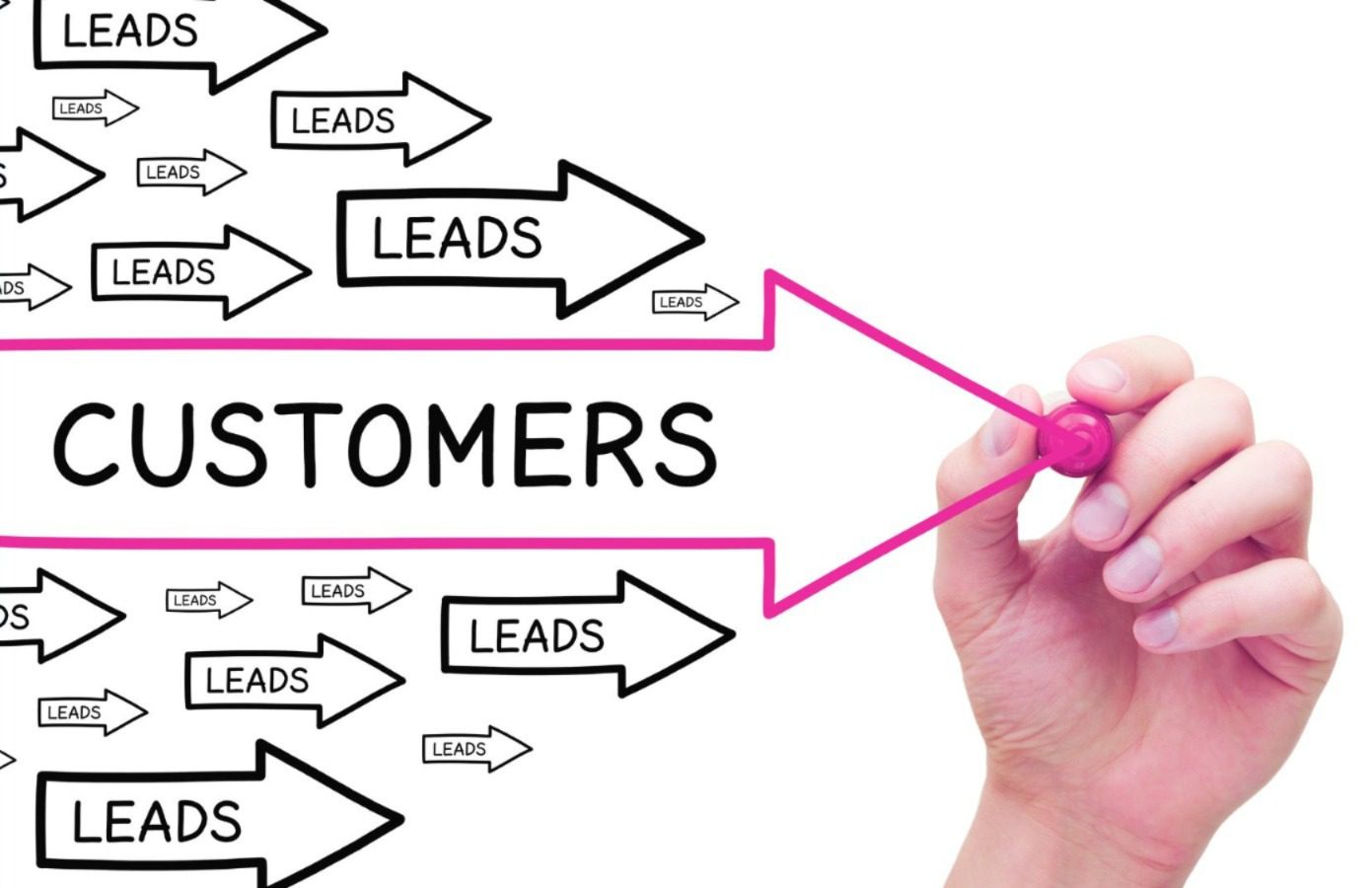

On LinkedIn, every potential client goes through a silent journey before reaching out.
It looks something like this:
- Notices your content
- Clicks your profile
- Evaluates your credibility
- Observes your engagement
- Decides if you’re worth talking to
- Then enters a conversation
- Eventually books a meeting
Each of these steps is a touchpoint. And most people lose their audience before step three.
Not because their content is bad. But because the journey is broken.
Why Views Don’t Convert

1. Content Without Targeting


Getting views is easy. Getting the right views is not.
If your content is too broad, it attracts everyone and converts no one. Virality without relevance does not build a business.
2. Weak Profile = Lost Opportunity

Your profile is your landing page.
When someone clicks, they are asking one question: “Can this person help me?”
If your profile does not clearly communicate:
- Who you help
- What problem you solve
- What results you deliver
They leave.
No second chances.
3. No Credibility Layer


People don’t trust content. They trust proof.
If your profile and posts don’t show:
- Case studies
- Real results
- Specific outcomes
Then you’re just another voice on the feed.
4. Engagement Without Strategy

Engagement is not just numbers.
People scan:
- Who comments on your posts
- What kind of discussions you create
- How you respond
This builds silent credibility.
Low-quality engagement weakens perception. Strong conversations build authority.
5. No Clear Conversion Path
Most people stop at “DM me.”
But why should someone DM you?
There is no structured next step.
No defined offer.
No clear reason to take action.
So they scroll past.
What a Proper LinkedIn Funnel Looks Like
If you want results, you need to treat LinkedIn like a funnel, not a content platform.
Step 1: Attention (Content)
Create content that speaks directly to your ideal client’s problems. Not generic advice. Not trends. Real, relevant insights.
Step 2: Interest (Profile)
If you want your profile to actually grow and convert, reach out.
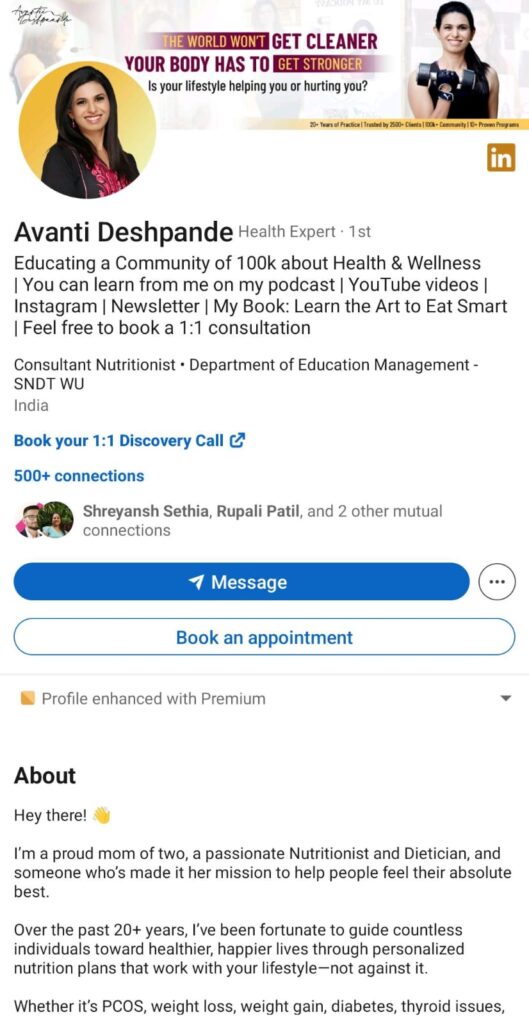
Your LinkedIn profile is not a bio. It’s a conversion page.
When someone clicks, they are not exploring. They are deciding.
You have 5 to 10 seconds to answer three things:
- Who you are
- Who you help
- What transformation you provide
If this is not clear, they leave.
Step 3: Trust (Credibility + Engagement)

Use:
- Case studies
- Testimonials
- Real examples
And back it with meaningful engagement.
This is where trust is built.
Step 4: Action (Conversation)
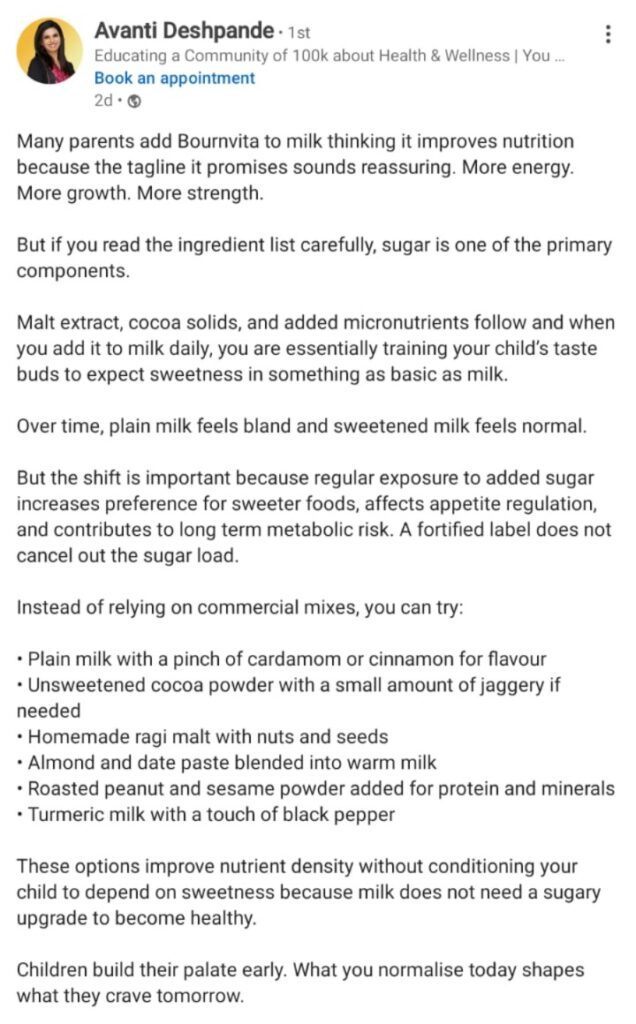
Guide people into action.
Not vague CTAs.
Clear next steps. Like taking them to a topmate page or calendly where they can actually book a call.
Step 5: Conversion (Offer)
Your offer should be simple and clear.
If people don’t understand what you’re selling, they won’t buy.
Every Post Is a Touchpoint
Most creators treat posts as isolated pieces of content.
But in reality, every post is part of a larger system.
A single post might not convert. But a structured journey will.
When your content, profile, credibility, and offer work together, that’s when LinkedIn starts generating clients, not just views.
If your LinkedIn is not converting, don’t blame the algorithm. Fix the funnel.
Because views don’t build a business. A clear customer journey does.