Most nutritionists don’t struggle on LinkedIn because they lack knowledge.
They struggle because they’re communicating like a textbook in a feed that rewards perspective.
And that gap is where most personal brands die. If I had to say this bluntly, most nutrition content sounds like it’s written for awareness, not for authority.
And there’s a big difference.
Here’s how I’d actually approach it if the goal is to build a real personal brand, not just “post content”:
1. Stop educating broadly. Start diagnosing specifically.
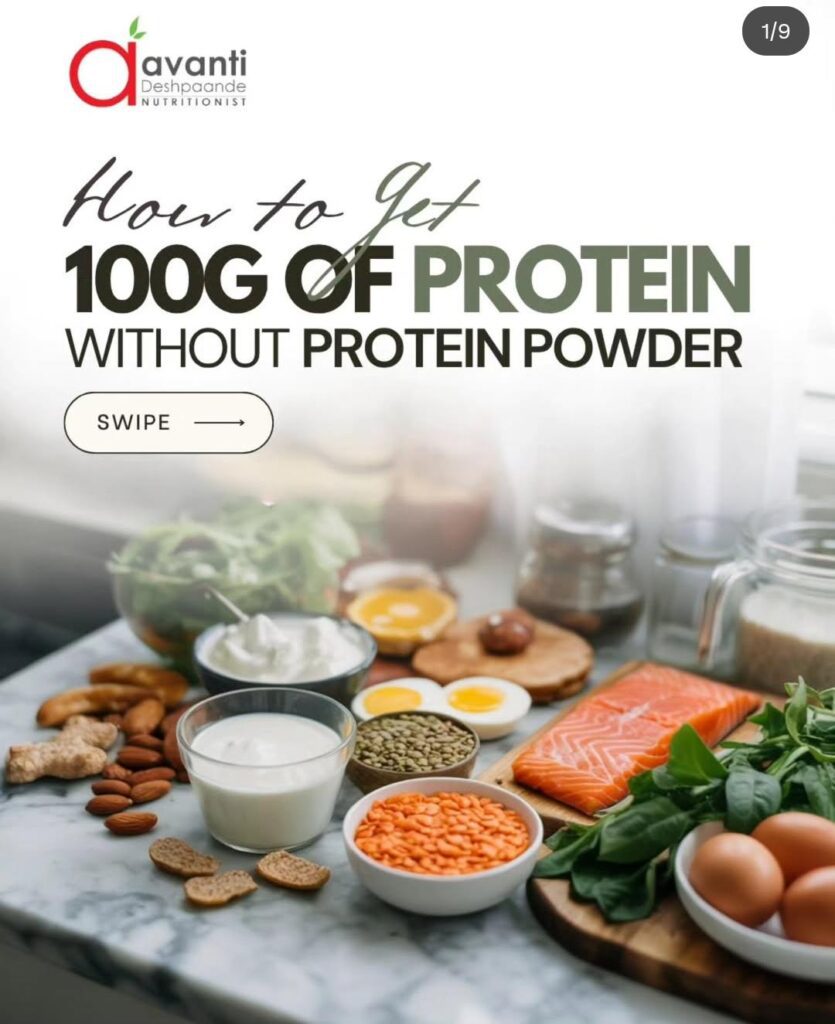
Generic advice attracts passive readers.
Specific observations attract people who feel seen.
Don’t say:
“Protein is important for weight loss”
Say:
“If you feel hungry again within 2 hours of breakfast, your protein intake is probably the problem”
That shift turns your content from information into insight.
2. Build your brand around patterns, not tips
Anyone can give tips.
But very few people can say:
“After working with 100+ clients, here’s a pattern I keep noticing…”
Patterns signal experience.
Experience signals authority.
And authority is what people pay for.
3. Talk about mistakes people don’t even realize they’re making

The obvious mistakes are already saturated.
The real opportunity is in calling out the blind spots.
Example:
“Your ‘healthy snacking habit’ might be the reason your weight isn’t moving”
That’s the kind of content that makes someone pause.
4. Show how you think, not just what you recommend

Most nutritionists share conclusions.
Very few share their reasoning.
But people don’t trust decisions they don’t understand.
Break down your thought process:
- Why you gave a certain plan
- Why you avoided another
- What you look for before suggesting anything
This builds credibility faster than just posting meal plans.
5. Pick a narrow identity and repeat it
If you talk about everything, you get remembered for nothing.
Gut health. Hormones. Fat loss. PCOS. Skin. Diabetes.
Pick one or two core areas and go deep.
Repetition is not boring.
Repetition is branding.
6. Speak like you’re in a consultation, not a classroom

Most content feels like a lecture.
But what actually connects is conversation.
Instead of:
“Balanced meals are important for maintaining energy levels”
Say:
“If you’re crashing by 4 pm every day, your lunch is probably the problem”
7. Don’t try to sound “professional.” Try to sound clear.

A lot of nutritionists hide behind jargon.
It creates distance.
The people you want to reach don’t want a lecture.
They want clarity.
Simple language doesn’t reduce your credibility.
It increases your reach.
If you’re a nutritionist reading this and thinking, “Okay, this makes sense… but I don’t know how to apply it to my own content,” that’s exactly where most people get stuck.
Because knowing what to say is one thing.
Structuring it into a brand that people remember and trust is another.
If you want help turning your knowledge into a clear, consistent personal brand on LinkedIn, book a discovery call with us at Branding Over Coffee.
We’ll break down your positioning, your content, and what needs to change for you to actually stand out.