Most businesses invest heavily in company branding.
Logos. Websites. Campaigns.
And still struggle with trust.
At the same time, individuals with no large marketing budget build massive credibility simply by showing how they think.
This is not accidental.
It’s the difference between personal branding and company branding.
First, what company branding does well
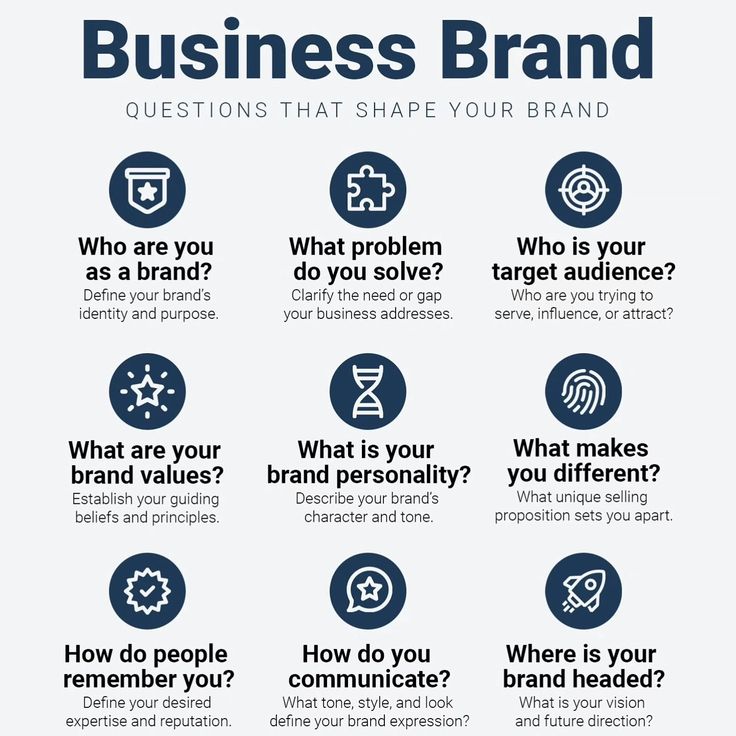
Company branding is designed to:
- Create recognition
- Communicate stability
- Build recall at scale
Logos, taglines, ads, and brand guidelines help people remember a business.
But company brands speak in polished language.
They avoid strong opinions.
They minimise risk.
That makes them safe.
It also makes them distant.
What personal branding does differently
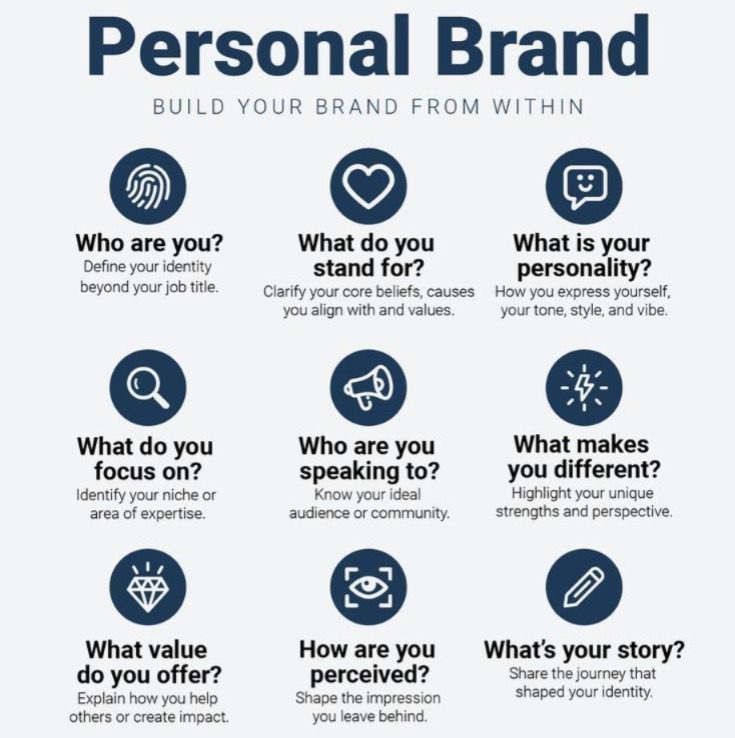
Personal branding is built on:
- Voice
- Judgment
- Perspective
People trust people faster than they trust organisations.
A personal brand allows you to:
- Share thinking, not slogans
- Explain decisions, not outcomes
- Show learning, not perfection
That human context is what accelerates trust.
The core difference most people miss
Company branding answers:
“What does this business do?”
Personal branding answers:
“Why should I trust this person?”
In a world where decisions happen faster and attention is limited, the second question matters more.
Why personal brands scale trust faster
Here’s why personal branding compounds:
- People follow people, not logos
- Opinions build familiarity
- Consistency builds belief
- Belief drives action
That’s why founder-led brands often outperform better-funded competitors.
Not because they are louder.
Because they are clearer.
Where company branding still matters
This is not an either-or debate.
Company branding is essential when:
- You are scaling beyond the founder
- You need operational trust
- You are building a long-term institution
But company branding works best after trust is established, not before.
Personal brands often open the door.
Company brands formalise the relationship.
The smartest brands do both
The strongest modern brands follow a simple flow:
- Personal brand builds trust and attention
- Company brand builds structure and scale
- Both reinforce each other over time
This is why founder-led content, leadership visibility, and executive presence matter more than ever.
The mistake most businesses make
They hide people behind branding.
No faces.
No voices.
No opinions.
The result:
- Lower engagement
- Slower trust
- Longer sales cycles
In contrast, businesses that encourage personal branding reduce friction everywhere.
What to focus on if you are choosing where to start
If you are early-stage, consulting, or service-led:
Start with personal branding.
If you are enterprise-scale or product-heavy:
Use personal branding to support company branding.
One builds belief.
The other builds systems.
You need both.
But in the right order.
Final thought
People don’t connect with brand values.
They connect with people who live them.
That’s why personal branding is no longer optional.
It’s the fastest path to credibility in a crowded market.
That’s not accidental.
That’s content doing its job.
Want help building a personal brand that supports your business?
If you want to:
- Clarify your positioning
- Build trust through content
Align your personal and company brand
Let’s map what will work for you.