You have years of experience, a defined area of expertise, and plenty of insights to share. But if someone visits your LinkedIn profile today, what will they remember you for?
Your job title? Your years of experience? Or a particular perspective that sets you apart?
Building that association takes more than regularly posting on LinkedIn. Your positioning, content, communication style, and visual identity need to work together.
A personal branding kit helps you bring all these elements under one clear direction.
What Should a Personal Branding Kit Include?
Think of it as the blueprint for your professional identity. It should cover these seven elements.
1. Brand Positioning: What Do You Want to Be Known For?
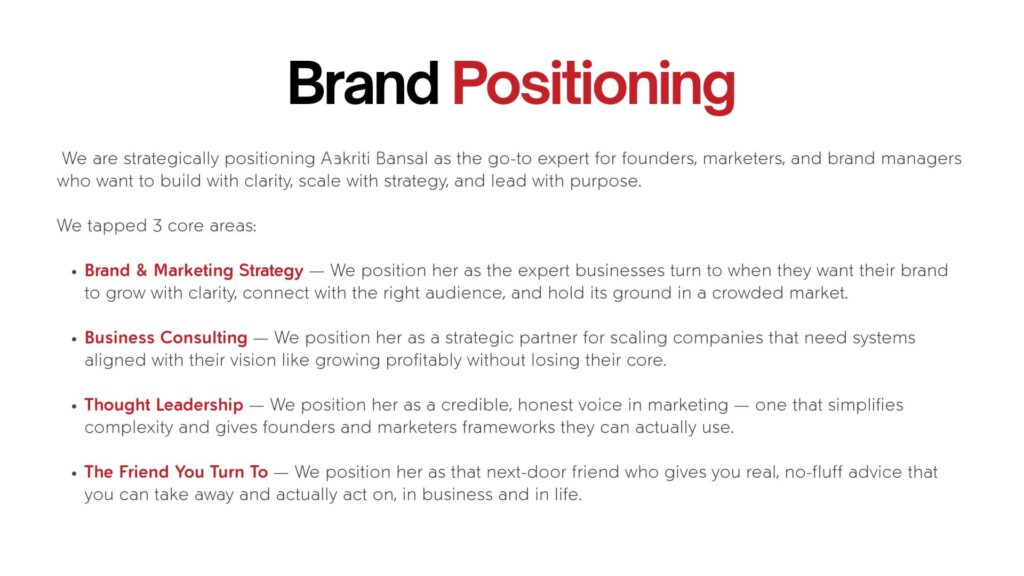
Being good at your job is one thing. Being recognised for a specific area of expertise is another.
For instance, a finance consultant could position themselves around helping startups manage cash flow, while another could focus on succession planning for family businesses.
Both work in finance, but the professional association they build is different.
Your personal branding kit should define your expertise, the problems you understand, and the perspective you bring to your industry. This establishes your personal brand positioning and gives people a clearer reason to remember you beyond your job title.
2. Audience Profile: Who Do You Want to Connect With?
Your content may be excellent, but is it reaching the people who need to hear it?
A founder trying to attract investors has different priorities from an HR leader looking to connect with business decision-makers.
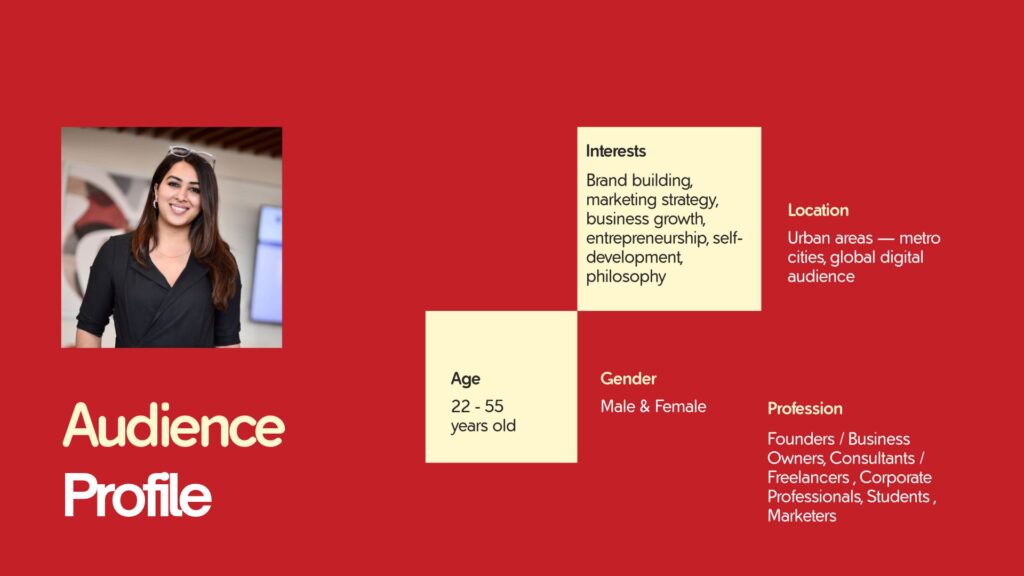
Your kit should identify your intended audience, including their professional roles, industries, challenges, interests, and information needs.
This helps you create content that speaks to a specific audience instead of trying to appeal to everyone.
3. Brand Personality and Tone of Voice
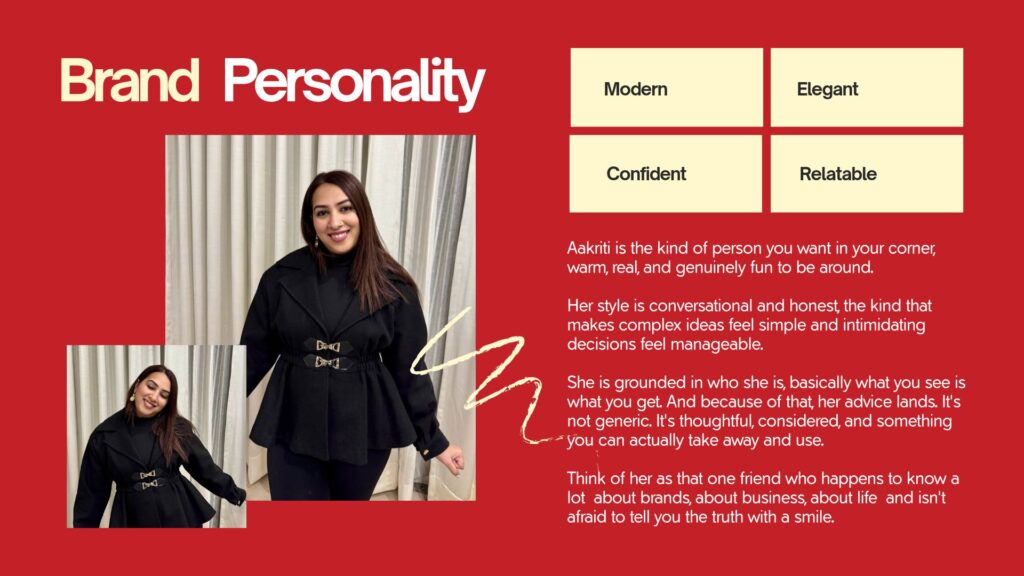
Two professionals can discuss the same subject and leave completely different impressions.
One might use data, research, and detailed explanations. Another might rely on personal experiences, stories, and strong opinions. Neither approach is necessarily better. The important thing is choosing a communication style that reflects your professional identity.
Your personal brand guidelines should define whether your brand should sound conversational, analytical, authoritative, approachable, advisory, or provocative.
It should also establish the language and communication styles that fit your brand, along with those you want to avoid.
4. Content Pillars: What Will You Talk About?
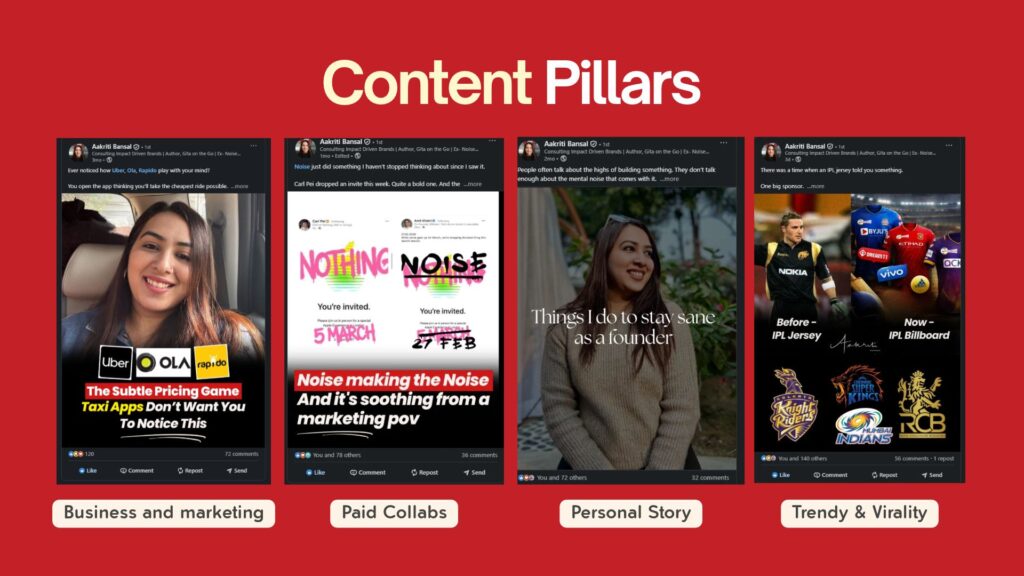
Once your positioning and audience are clear, decide what your content should focus on.
Content pillars establish the themes through which you’ll communicate your expertise. They form an important part of a personal branding content strategy, giving your audience a consistent understanding of what you bring to the conversation.
For example, a business consultant could build their LinkedIn presence around:
- Industry developments and emerging trends.
- Common business challenges and how to approach them.
- Observations from client and industry experiences.
- Personal perspectives on leadership and business growth.
These pillars give you a structure for generating content without restricting you to the same topics or formats. They also ensure that your posts contribute to a larger professional narrative.
5. Visual Identity: Colours, Typography and Photography
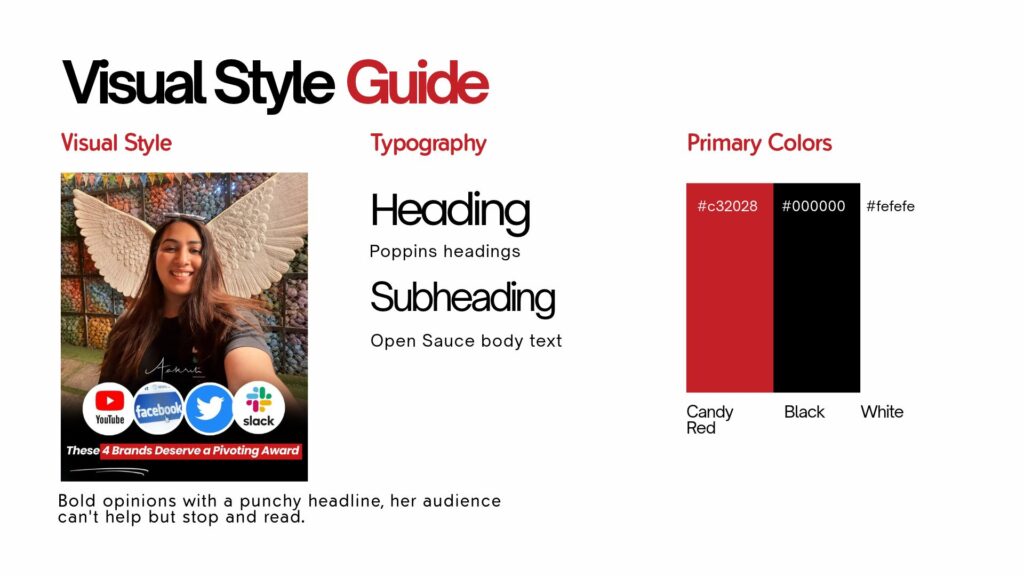
Your personal brand identity isn’t communicated through words alone. How your content looks also shapes the impression people form of you.
A personal branding kit should define a visual direction that reflects your positioning and remains consistent across platforms.
- Colour palette: Choose colours that complement your professional personality and the impression you want to create. The combination should work across different formats, from LinkedIn posts to presentations.
- Typography: Establish a consistent font system that makes your content readable and gives headings, subheadings, and body text a clear visual hierarchy.
- Photography: Define the style of your profile picture and professional photographs, including the background, clothing, composition, and overall presentation.
- Design direction: Set guidelines for layouts, carousels, banners, graphic elements, and image treatments.
The objective is to develop a visual identity that people can gradually associate with your name, rather than creating disconnected designs every time you publish something.
6. LinkedIn Profile and Content Guidelines
Your LinkedIn profile should reinforce the identity you’re building through your content.
A personal branding kit can establish guidelines for your headline, About section, profile banner, featured section, and contact information. It should also outline content do’s and don’ts, preferred post formats, and calls to action.
These guidelines play an important role in LinkedIn personal branding, ensuring that your profile and communication tell a consistent story.
7. Brand Performance Metrics: What Does Progress Look Like?
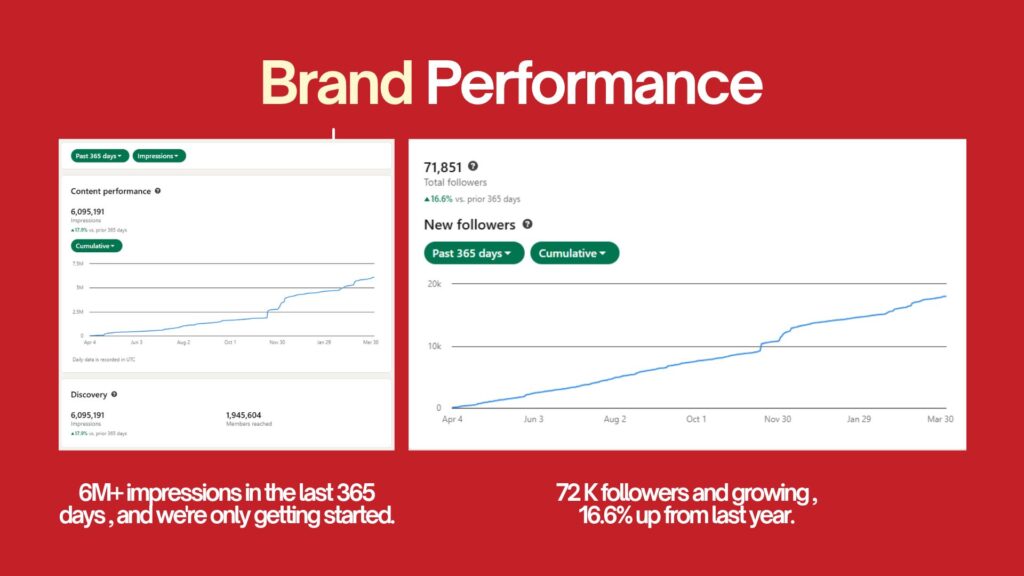
A growing follower count might look impressive, but it doesn’t necessarily mean you’re building the right professional connections.
Your kit should identify the metrics that matter to your goals.
These could include profile views, search appearances, relevant audience growth, engagement, shares, saves, and conversations generated through LinkedIn.
For someone building a consulting practice, for example, relevant profile visits and inbound business conversations may matter more than a post receiving thousands of views.
The metrics you track should reflect what you want your personal brand on LinkedIn to achieve.
Why Every Professional Needs a Personal Branding Kit
Your expertise tells people what you’re capable of. Your personal brand shapes what they remember about it.
When your positioning, content, communication, and visual identity work together, you create a professional presence that is easier to recognise and associate with a particular area of expertise.
At Branding Over Coffee, we help professionals define their positioning, develop a distinct content direction, and build a consistent LinkedIn presence through a structured personal branding strategy.
Ready to build a personal brand with a clear direction? Book a discovery call with us.