

Most architects on LinkedIn post the same thing.
A finished project, a tagged client, about interior designs and functional spaces.
The work isn’t boring. The posts are.
But LinkedIn personal branding for architects is about more than showcasing finished projects.
The real story behind personal branding for architects is in the tight plots, tricky budgets, difficult site decisions, and problems architects solve along the way. But most of that never makes it to LinkedIn.
And not every post has the same job. One might bring followers, another leads, and another saves or industry connections.
So before you post, ask: What do I want this post to achieve?
Here are 15 LinkedIn content ideas for architects, each designed to achieve a different goal.
Content That Builds Followers
If you want to grow your followers on LinkedIn, your content has to make sense even to someone who isn’t an architect.
That’s where many architects get stuck. They naturally post renders, floor plans, and project photographs. These are great for showcasing work, but they usually speak to people who already understand architecture.
Your content needs to make a non-architect stop scrolling and think, “Wait, I’ve wondered about this too.”
1. Before-and-after transformations
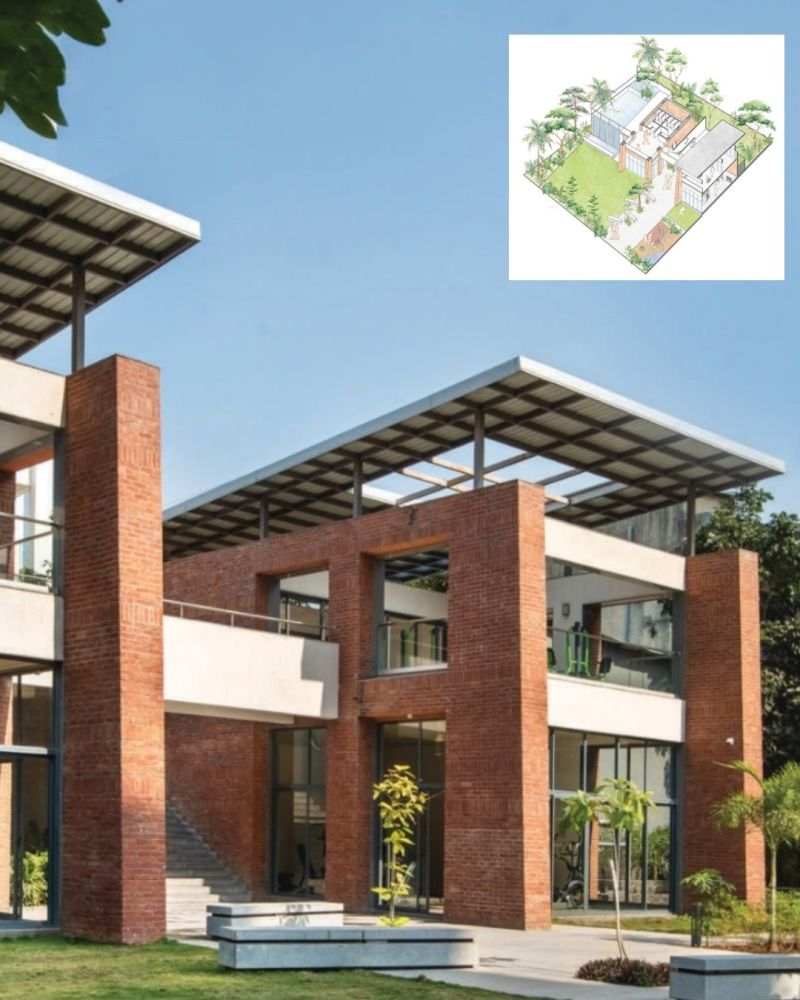
Show the raw site or an old, cramped space alongside the finished project. But don’t just show the transformation. Explain what changed and, more importantly, why.
A good before-and-after doesn’t need architectural knowledge to understand. It can be the kind of post someone sends to a friend who is planning to build or renovate a home.
2. Myth-busting posts about Indian construction and design
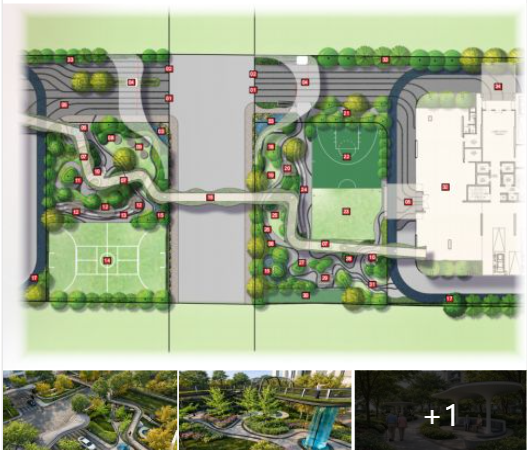
There are plenty of assumptions people have about homes and construction.
Does Vastu always align with structural requirements? Do open kitchens actually work for every Indian household? Do bigger rooms always feel more spacious?
Pick one common belief and unpack it. Just share a perspective that makes people stop and reconsider what they assumed was true.
3. “Here’s why I designed it this way.”
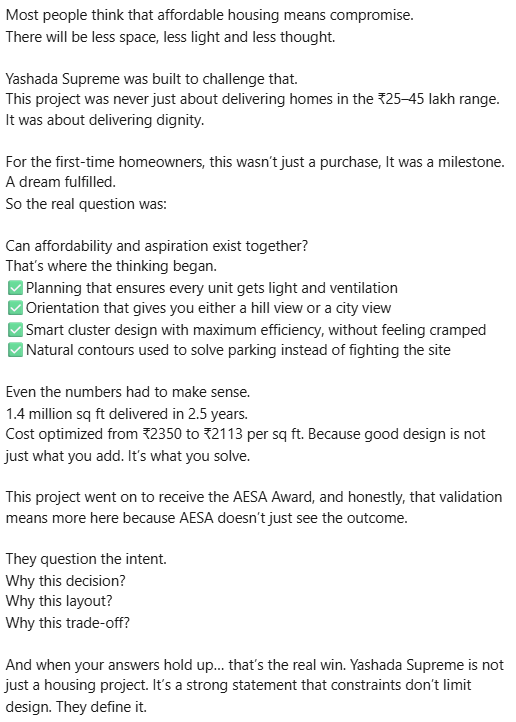
Take one decision from a real project and explain the thinking behind it.
Why is the staircase placed there? Why did you leave that wall exposed? Why did you choose that material?
These posts show people that architecture isn’t just about making a space look good. There is a reason behind every good design decision.
Content That Drives Engagement
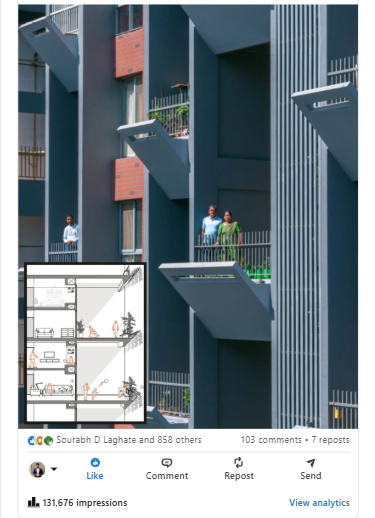
If you want comments and conversations, give people something to react to.
A post that everyone agrees with might get a few likes and disappear, but a clear opinion gives people a reason to participate.
4. Share a clear, slightly contrarian opinion.

“Open kitchens don’t work for most Indian households.”
“Double-height ceilings look great in photographs but aren’t always practical to live with.”
These kinds of opinions can start conversations when they’re backed by actual experience. The goal isn’t to create controversy. It’s to say something you genuinely believe and can explain.
5. Either-or posts
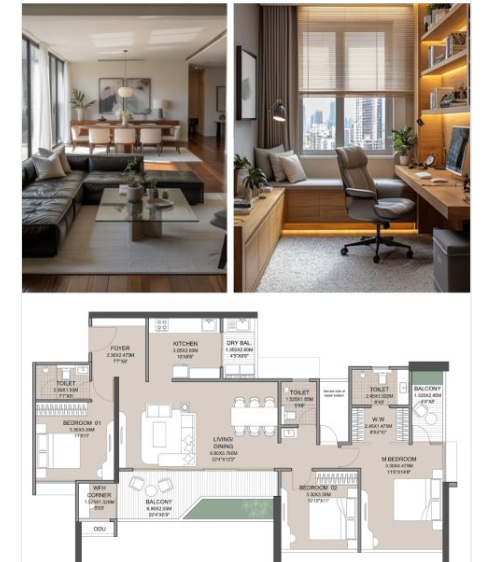
Give people two options.
Two floor plans. Two materials. Two facade treatments.
Ask: Which one would you choose, and why?
It takes almost no effort to respond, but the answers can tell you a lot about what your audience values.
6. Share anonymized client stories.

Architects deal with difficult conversations all the time.
Maybe the client had a different idea, budget constraint, or design requirement that you had to work around.
Share the story without revealing the client’s identity. Talk about what happened, what you recommended, and what you learned from it.
These stories make your expertise feel real because people get to see how you actually think and work.
Content That Generates Leads
If someone is considering hiring an architect, they’re probably looking for answers to very practical questions like, How much will it cost? How long will it take? What does the process look like? What should I do first?
Answer those questions honestly and specifically through your LinkedIn content strategy for architects.
7. Real cost breakdowns

Instead of simply saying, “Construction costs vary,” explain what a project might realistically cost.
For example, what would it take to build a 1,500 sq. ft. home in Pune? What changes the cost? Where can the budget increase unexpectedly?
You don’t need to give one absolute number. Explain the variables and give a realistic range based on your experience.
That kind of transparency builds trust.
8. Mistakes people make before hiring an architect
- Buying a plot without checking the applicable FSI.
- Starting construction before finalizing drawings.
- Hiring a contractor before understanding the design and scope.
These are the kinds of mistakes that can become expensive later. Sharing them positions you as someone who helps clients avoid problems, not just someone who designs beautiful spaces.
9. Take people through a real project.
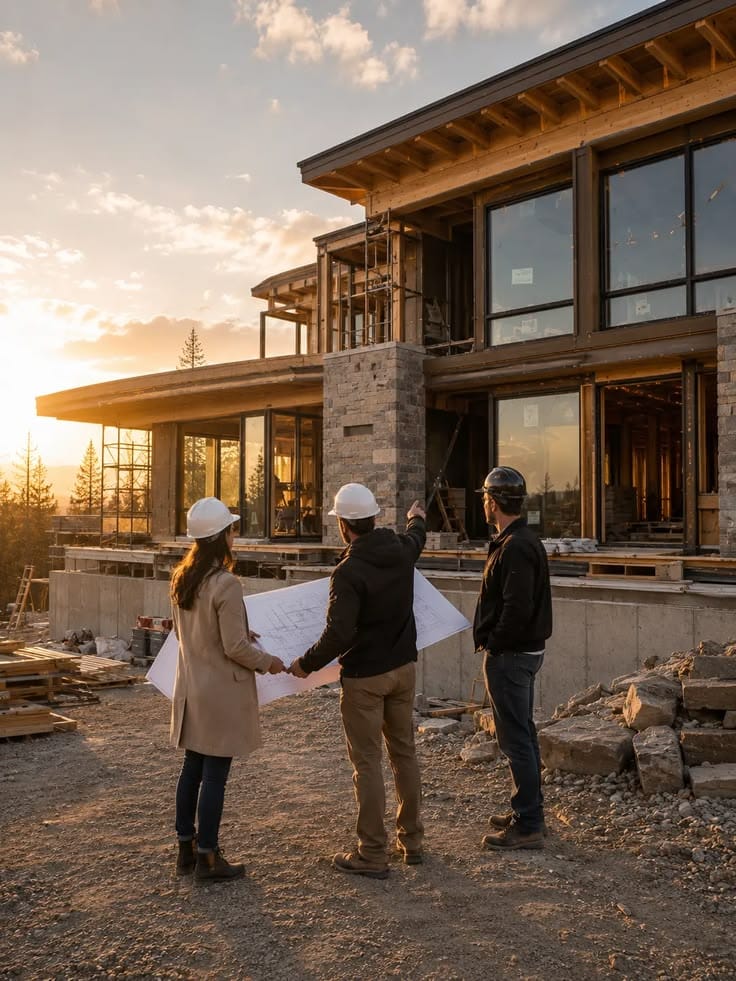
Show what actually happens from the first client call to handover.
Not just the beautiful final photographs. Show the discussions, changes, delays, site decisions, and problems that came up along the way.
A realistic project journey helps potential clients understand what working with an architect actually looks like, and that can be far more useful than a polished project showcase.
Content That Gets Saved
Some content in building a personal brand on LinkedIn isn’t meant to generate a conversation immediately.
It is meant to be useful enough for someone who thinks, “I need to save this.”
10. A checklist for hiring an architect
What questions should you ask?
What documents should you check?
What should you understand about fees and scope?
What are the red flags to look out for?
Give them something they can actually use when they’re ready to build.
11. Material and vendor comparison guides
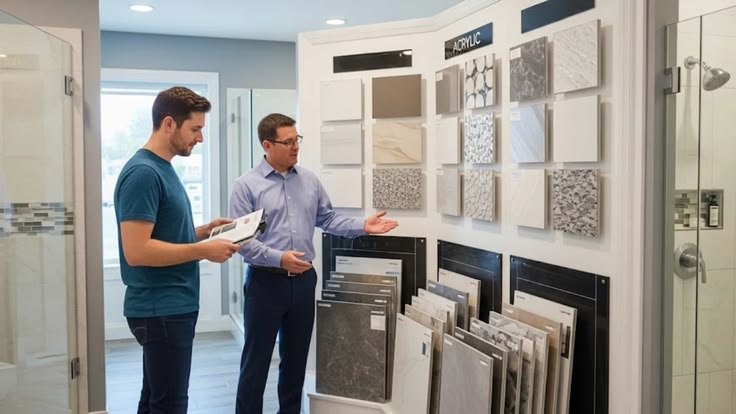
Vitrified tiles vs. natural stone.
Aluminium vs. uPVC windows.
Different flooring, lighting, or facade options.
Don’t just tell people which one is “better.” Explain the trade-offs around cost, maintenance, durability, and climate.
That’s the information people actually need when making a decision.
12. Explain approvals and regulations.
FSI. Setbacks. Building permissions. Local approval processes.
These topics may not sound exciting, but they are incredibly useful to someone who is about to build a house.
If you can take something complicated and explain it in simple language, people will remember you as the architect who made the process easier to understand.
Content That Builds Vendor Relationships
LinkedIn isn’t only about reaching potential clients.
Your vendors, contractors, consultants, and other professionals in the industry are there too. Building visibility among them can lead to stronger relationships, referrals, and better collaborations.
13. Credit the people you work with.

If a structural engineer helped solve a difficult span or a contractor executed a challenging detail well, talk about it.
Tag them. Give them credit.
It shows that you value the people behind the project, and it can strengthen those relationships for future work.
14. Talk about materials and products you actually use.

If you have worked with a particular flooring, lighting, steel, or window brand, share what made it work for the project.
Not as an advertisement, but as an honest professional opinion.
What did you like? Where did it work well? What should someone consider before choosing it?
This kind of content can also put you on the radar of vendors and manufacturers.
15. Share what you learn outside your projects.
Did you attend an industry forum? Visit a construction site? Participate in a developer event? Attend a product launch?
Don’t just post a photograph saying, “Great event.”
Share one or two things you actually took away from it.
That gives people a reason to follow you for your perspective, not just your project photographs.
None of this needs a content calendar. It just needs a decision, before you post, about which outcome you actually want.
We’ve helped some of India’s top architects grow their presence on LinkedIn by turning their expertise, projects, and perspectives into content that gets them noticed.
If you’re wondering what your architecture practice should actually be talking about on LinkedIn, book a discovery call with us at Branding Over Coffee.
We’ll help you find the right content pillars, sharpen your positioning, and build a personal brand that reflects the quality of your work.