LinkedIn has become one of the most powerful distribution platforms on the internet. A single post can reach thousands, even hundreds of thousands, of people without spending a rupee on ads. Yet many users struggle to get even a few hundred impressions.
The difference isn’t luck. It’s understanding how LinkedIn’s algorithm distributes content and learning how to trigger it.
If your goal is to increase impressions, grow your audience, and build authority on LinkedIn, these growth strategies make a significant difference.
1. Understand the First 90 Minutes

Every LinkedIn post goes through a testing phase. When you publish, the platform initially shows your post to a small group of your connections. If those people engage, especially through comments, the algorithm expands the reach to second- and third-degree networks.
The first 60–90 minutes after posting are critical.
A practical tactic is to send your post to 10–15 trusted connections right after publishing and invite them to share their thoughts. The key is encouraging meaningful comments rather than simple likes, because comments signal stronger engagement to the algorithm.
For example, a simple message like:
“Just shared a post about creator burnout. Would love to hear your perspective.”
can create the early momentum needed for broader distribution.
2. Write Posts That Invite Conversation
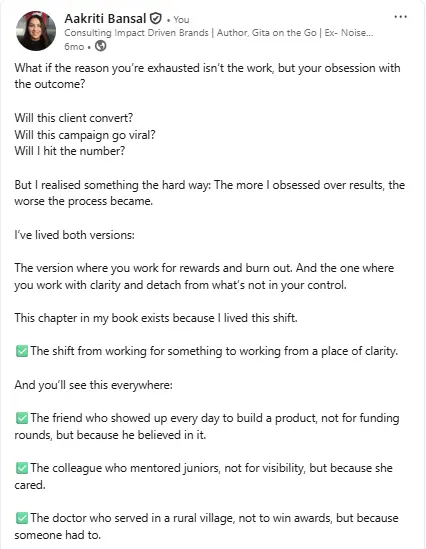
Posts that spark discussion travel further on LinkedIn. Instead of only sharing information, structure posts in a way that encourages participation.
A strong format often includes:
- A compelling opening line that stops the scroll
- A relatable insight or short story
- A bold or slightly contrarian perspective
- A closing question that encourages readers to comment
For instance, instead of writing a purely informational post about LinkedIn strategy, frame it around a surprising idea or challenge a common belief. When readers feel compelled to respond, engagement rises, and so do impressions.
3. Use the Power of Micro-Stories
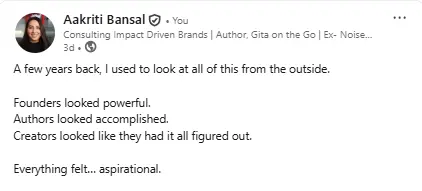
Story-driven content performs exceptionally well because it keeps readers on the post longer. LinkedIn measures this reading time (often called dwell time) as a quality signal.
A simple storytelling structure works well:
- Start with a personal moment or experience
- Transition into the lesson you learned
- End with a practical takeaway for the reader
For example, describing how one of your posts initially received almost no impressions, followed by what you changed and the results you achieved, makes the insight far more engaging than simply listing tips.
Stories humanize expertise and hold attention longer.
4. Treat Comments as a Growth Channel
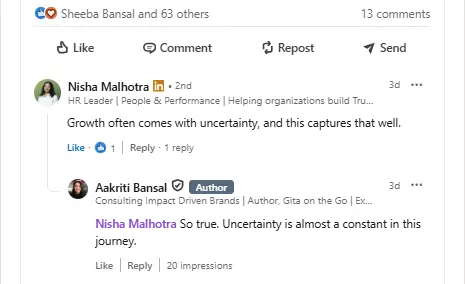
Most people focus only on posting, but thoughtful commenting can be just as powerful for visibility.
Engaging with posts from well-known creators exposes your profile to a much larger audience. Instead of leaving generic responses like “Great post,” add a perspective, observation, or question that contributes to the conversation.
A thoughtful comment that offers insight often receives likes and replies from readers, which brings additional profile visits and new connections.
Spending a few minutes each day leaving meaningful comments can dramatically increase your presence on the platform.
5. Rotate Content Types
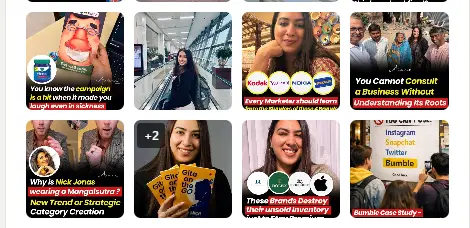
Creators who consistently grow their reach rarely post the same style of content repeatedly. Instead, they rotate between different formats to keep engagement fresh.
A simple weekly rotation could look like this:
- A story-driven post sharing a personal experience
- A practical framework or educational insight
- An opinion-based or contrarian perspective
This variety helps you reach different segments of your audience and prevents your content from becoming predictable.
6. Use Carousels to Increase Dwell Time
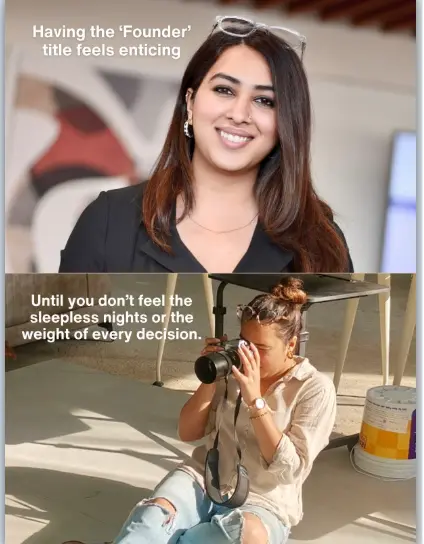
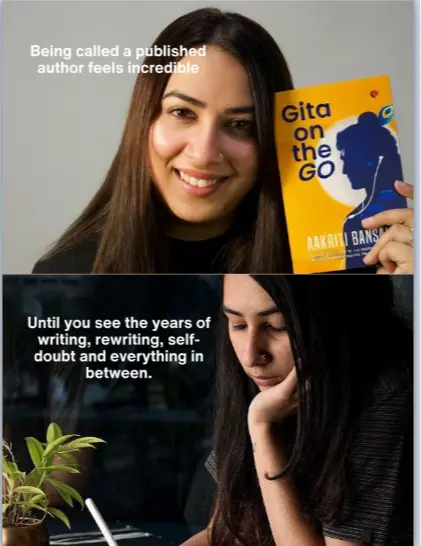
Carousel posts, documents that users swipe through, often perform very well because they increase the amount of time people spend engaging with your content.
Common carousel formats include:
- “5 mistakes people make when…”
- “The ultimate guide to…”
- “Frameworks you can apply today”
The first slide is critical. It should present a headline that immediately sparks curiosity and makes readers want to swipe to the next slide.
7. Engage Early on High-Performing Posts
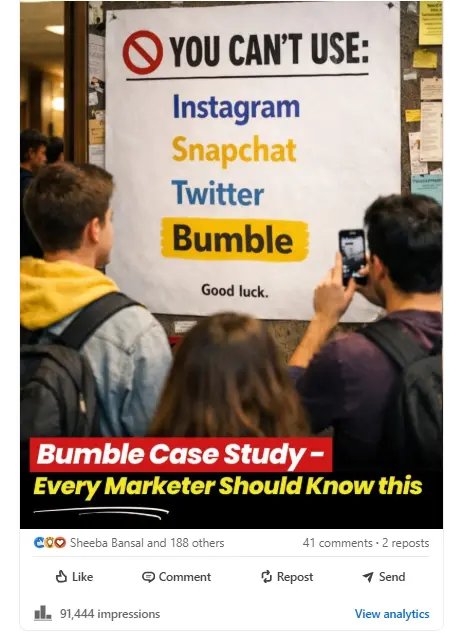
Another overlooked strategy is engaging early on posts that are already gaining traction.
When a large creator publishes a post that begins attracting significant engagement, thoughtful comments placed early in the conversation can gain visibility as the post grows. As more people interact with the original post, they often notice and engage with insightful comments as well.
This creates another path for impressions and profile discovery.
Another overlooked strategy is engaging early on posts that are already gaining traction.
When a large creator publishes a post that begins attracting significant engagement, thoughtful comments placed early in the conversation can gain visibility as the post grows. As more people interact with the original post, they often notice and engage with insightful comments as well.
This creates another path for impressions and profile discovery.
8. Perfect the First Line
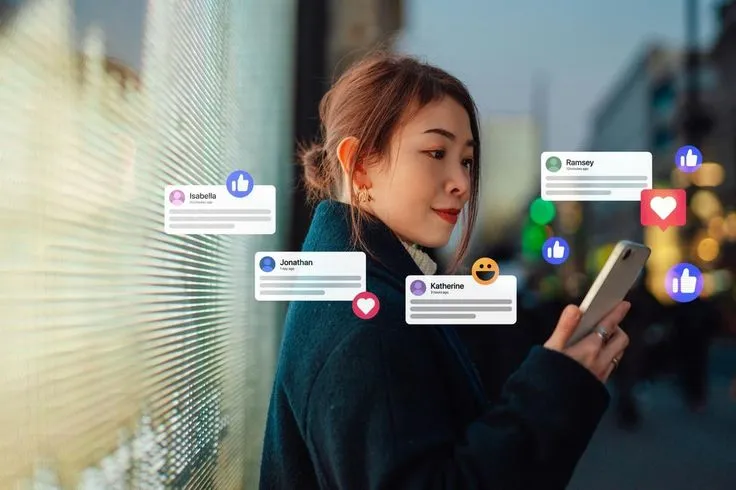
On LinkedIn, only the first few lines of a post are visible before the “see more” button appears. That means your opening sentence determines whether readers continue or scroll past.
Instead of starting with slow introductions, use curiosity-driven statements, bold claims, or surprising statistics to capture attention immediately.
A strong opening line makes readers want to click and once they do, they’re far more likely to finish the post.
LinkedIn growth does not come from a single viral post. It comes from understanding how the platform distributes content and repeatedly applying strategies that increase engagement and conversation.
When you focus on early engagement, thoughtful discussions, storytelling, and consistent activity, impressions begin to compound, turning LinkedIn into a powerful engine for visibility and influence.