
Most people create content on LinkedIn.
Very few turn it into business.
Views feel good.
Leads pay bills.
The gap between the two is not luck or virality.
It’s structure.
Here’s how to turn LinkedIn content into consistent, high-quality business leads.
First, understand why most LinkedIn content never converts

Because it does one of these:
- Educates but never positions
- Inspires but never directs
- Entertains but never builds trust
People remember the post.
They don’t remember who to reach out to.
Conversion starts with intent, not volume.
Step 1: Stop writing for “everyone”
Leads come from relevance, not reach.
If your content speaks to:
- Everyone
- Anyone
- “Professionals in general”
It speaks to no one.
High-converting LinkedIn content is clear about:
- Who it is for
- What problem it addresses
- Why your perspective is different
Specific content attracts fewer people, but better leads.
Step 2: Build authority before asking for attention
People don’t book calls because you asked nicely.
They book calls because they trust your judgment.
Authority-building posts usually look like:
- Clear opinions backed by experience
- Mistakes you’ve seen repeatedly
- Patterns you’ve noticed across clients or projects
- Trade-offs most people ignore
If someone reads 3–5 of your posts and thinks,
“This person gets it,”
you’ve already won.
Step 3: Separate content into 3 clear buckets
If everything you post has the same intent, conversion suffers.
Use this simple structure:
- Insight posts
Build credibility and thinking style - Problem-awareness posts
Help people recognise gaps they didn’t know they had - Conversion posts
Invite the right people to take the next step
Most people only post bucket one.
Leads come from using all three.
Step 4: Make your profile do the selling
Your content creates interest.
Your profile closes the loop.
If someone clicks your profile and can’t immediately see:
- Who you help
- What you help with
- How to take the next step
You lose the lead silently.
Your profile headline and About section should guide people naturally toward a conversation.
Step 5: Use soft CTAs, not desperate ones
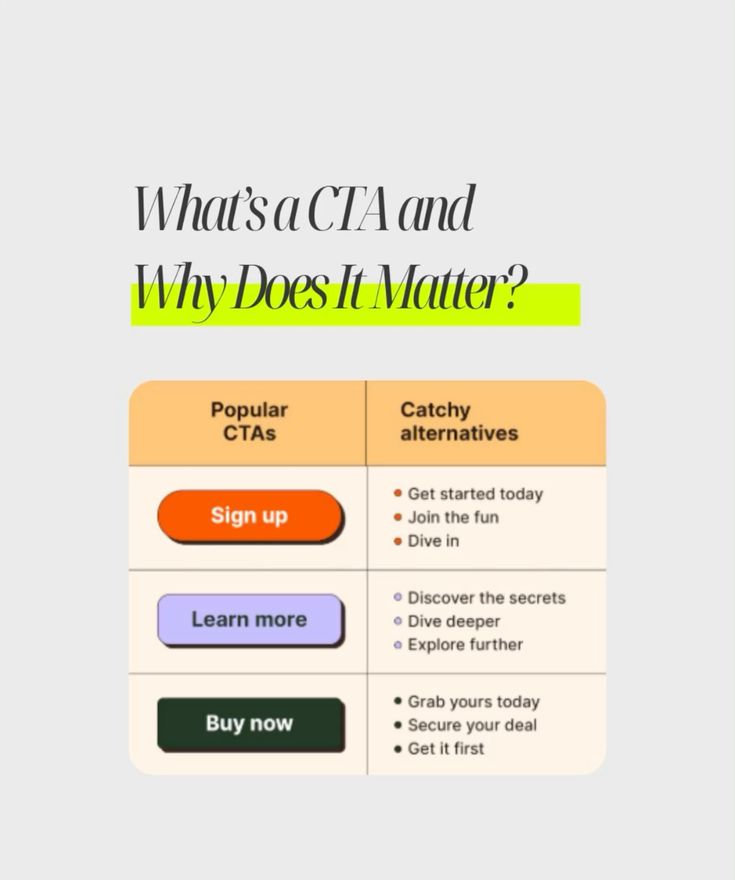
High-quality leads don’t respond to pushy calls to action.
They respond to clarity.
Instead of forcing a pitch, invite conversation:
- “If this resonates, let’s talk.”
- “This is exactly what we solve with clients.”
- “If you’re facing this, a short conversation can help.”
The goal is not to convince.
The goal is to open a door.
Step 6: Consistency creates inbound momentum
One good post can bring attention.
Repeated clarity builds demand.
When people see your ideas regularly:
- Trust increases
- Response time shortens
- Calls feel like a continuation, not a pitch
That’s when LinkedIn starts working even when you’re offline.
What turning content into leads actually looks like
When it works, you’ll notice:
- DMs referencing specific posts
- Calls where prospects already “get” your approach
- Shorter sales cycles
- Better-fit clients
That’s not accidental.
That’s content doing its job.
The real mindset shift
LinkedIn content is not for growth hacks.
It’s for relationship warming at scale.
When done right:
- Content builds trust
- Trust drives conversations
- Conversations turn into business
No chasing required.
Ready to turn your LinkedIn content into real leads?
If you want help with:
- Positioning your profile
- Structuring content for conversion
- Building a steady inbound lead system
Let’s see what’s working, what’s missing, and what to fix.