In 2026, being good at your work is not the problem.
Being visible for the right reasons is.
Clients don’t struggle to find consultants or coaches.
They struggle to decide who to trust.
That decision increasingly happens before the first conversation.
Through your personal brand.
Why personal branding matters more for consultants and coaches in 2026
Consulting and coaching are trust-based businesses.
You don’t sell a product.
You sell judgment, clarity, and outcomes.
In a crowded market where:
- Everyone claims experience
- Everyone posts testimonials
- Everyone sounds similar
Your personal brand becomes the filter.
It answers one silent question:
“Why should I listen to you over someone else?”
Why this profession is different
Consultants and coaches sell:
- Thinking
- Decision-making
- Perspective
That means people buy you before they buy your offer.
Unlike product businesses:
- You can’t hide behind a brand
- You can’t outsource trust
- You can’t rely only on ads
Your visibility and credibility must scale together.
Personal branding vs self-promotion (most get this wrong)
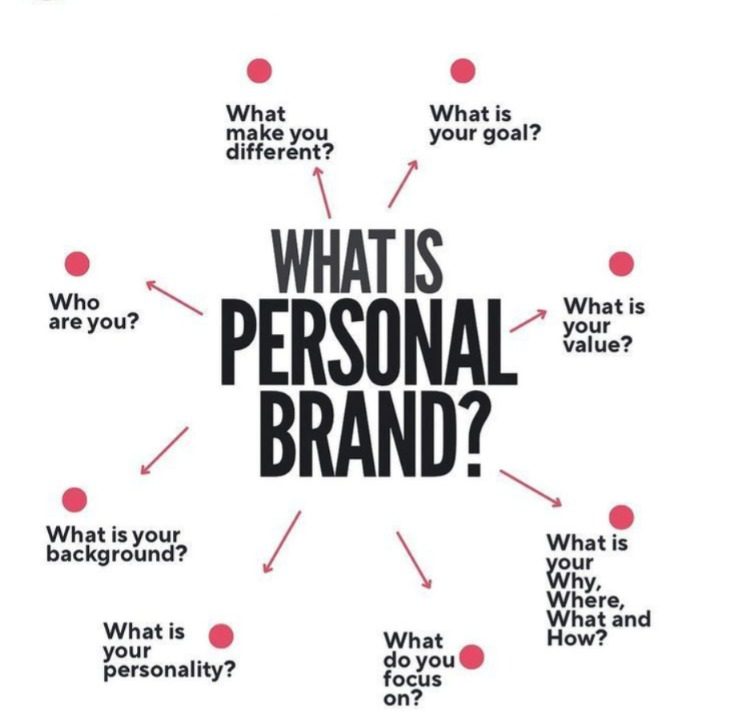
Personal branding is not:
- Posting motivational quotes
- Sharing random client wins
- Talking about yourself constantly
Personal branding is:
- Making your thinking visible
- Explaining problems better than others
- Helping people see their blind spots
If your content educates but also positions you as the guide, you’re doing it right.
How personal branding for consultants and coaches is different
Your goal is not attention.
Your goal is authority recall.
That means:
- Fewer posts, more clarity
- Repeated ideas, not random topics
- Depth over variety
People should recognise your perspective, not just your name.
What kind of content actually attracts clients
High-converting content usually includes:
- Common mistakes clients make before hiring help
- Patterns you’ve seen across engagements
- Trade-offs people ignore
- Why “popular advice” often fails
- How you approach diagnosis before solutions
This kind of content builds trust quietly.
And trust converts.
How to build your personal brand step by step
1. Get brutally clear on positioning
Decide:
- Who you help
- What problem you solve repeatedly
- What outcome you’re known for
Vague positioning leads to weak leads.
2. Use LinkedIn as your trust engine
LinkedIn is where:
Decision-makers think
Buyers research silently
Credibility is evaluated
Post consistently.
Explain clearly.
Avoid hype.
3. Let your profile pre-sell for you
Your profile should answer, in seconds:
- Who is this for?
- What do they help with?
- Why should I trust them?
If people DM you saying “I resonated with your posts,” your profile is working.
4. Stay visible long enough to be remembered
Two to three posts a week is enough.
Personal brands are built through:
- Familiarity
- Repetition
- Predictability
Not intensity.
What happens when personal branding starts working
You’ll notice:
- Better-quality inquiries
- Shorter sales conversations
- Less price resistance
- Prospects who already trust you
- More referrals without asking
You stop convincing.
You start confirming.
The biggest shift consultants and coaches must make
Stop trying to prove you are good.
Start helping people understand why their problem exists.
The person who explains the problem best is almost always chosen to solve it.
Want to build a personal brand that attracts the right clients?
If you want help with:
- Clarifying your positioning
- Creating authority-driven content
- Turning visibility into inbound leads
Let’s see what will actually move the needle for you.